
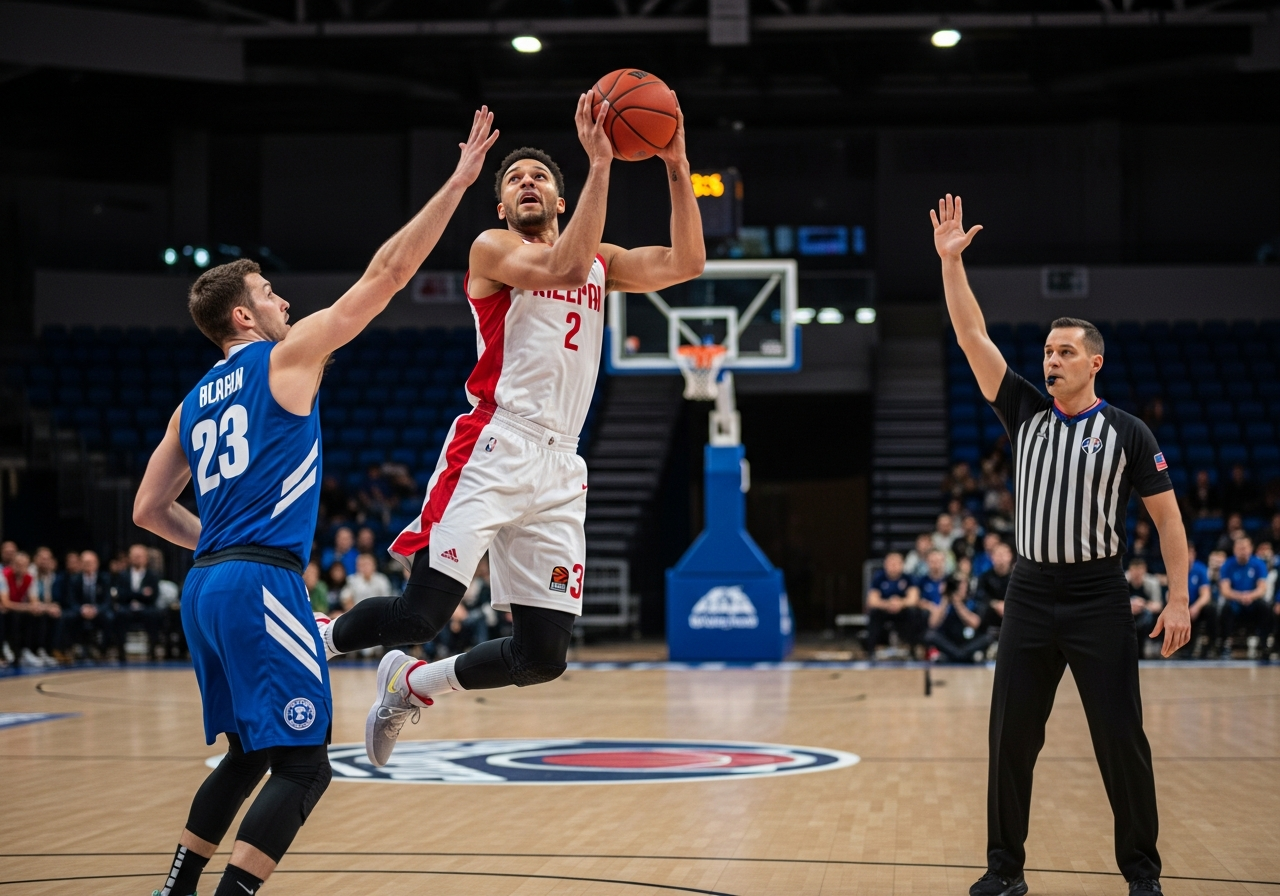
The NBA’s prop betting landscape underwent seismic shifts following a series of betting scandals that rocked professional basketball. From Jontay Porter’s career-ending suspension to Terry Rozier’s suspicious under performances, these incidents exposed vulnerabilities in player proposition markets that demanded immediate regulatory response. The league’s swift action included pushing US sportsbooks to implement stricter wagering limits and eliminate high-risk prop bet categories.
These developments have fundamentally altered how sportsbooks approach NBA player props, with dramatic reductions in maximum wager amounts and outright bans on certain bet types. Major operators like FanDuel and DraftKings quickly complied with NBA requests, removing controversial props and capping limits at fractions of traditional spread bets. The ripple effects extend far beyond the betting industry, impacting everything from player harassment to the integrity of professional sports.
What Are NBA Player Prop Bets and Current Limits?
NBA player proposition bets allow wagering on individual player statistics within games, ranging from points and rebounds to more granular metrics like three-pointers made or turnovers committed. Unlike traditional spread or totals betting where limits can reach six figures for sharp bettors, prop bets now carry significantly reduced maximum wagers. Most major US sportsbooks have implemented caps between $500-$2,000 for player props, compared to $10,000-$25,000 previously available on these markets.
The NBA’s heightened scrutiny focuses particularly on “under” bets involving star players, where manipulation risks are highest. Sportsbooks now monitor betting patterns more closely, with automated systems flagging unusual activity on props involving players with injury concerns or performance inconsistencies. This enhanced oversight represents the most significant regulatory shift in sports betting since legalization began spreading across US states.
Why Props Have Lower Wagering Limits
- Manipulation Vulnerability: Individual player performance is easier to influence than entire game outcomes, making props susceptible to betting manipulation schemes
- Information Asymmetry: Players and team insiders have privileged access to injury status, playing time decisions, and strategic game plans that affect prop bet outcomes
- Market Liquidity Issues: Prop betting markets typically have lower volume than spread bets, making them more volatile and harder for sportsbooks to manage risk effectively
- Regulatory Pressure: League demands for integrity protection have forced sportsbooks to prioritize scandal prevention over profit maximization in prop betting markets
- Player Harassment Concerns: High-limit prop betting has led to increased fan harassment of players who fail to cover their numbers, creating player safety issues
Standard Prop Limits on Major US Books
| Sportsbook | Typical Points Prop Limit | Rebounds/Assists Limit | Notes |
|---|---|---|---|
| FanDuel | $1,000 | $750 | Lower limits for injury-prone players |
| DraftKings | $1,200 | $800 | Dynamic limits based on player form |
| BetMGM | $800 | $600 | Stricter enforcement of sharp bettor limits |
| Caesars | $1,500 | $1,000 | Higher limits but fewer prop options |
| BetRivers | $500 | $400 | Most conservative approach |
| PointsBet | $750 | $500 | Seasonal adjustments during playoffs |
NBA’s Push for Tighter Prop Bet Rules
The NBA has taken an unprecedented aggressive stance toward prop betting regulation, formally requesting US sportsbooks to eliminate specific bet types and implement comprehensive wagering restrictions. League officials cite integrity concerns as the primary driver, particularly following investigations that revealed systematic manipulation of player proposition markets. The NBA’s proposals extend beyond simple limit reductions to include outright bans on bets involving negative player actions and restrictions on same-game parlays incorporating multiple player props.
Commissioner Adam Silver’s office has worked directly with state gaming regulators to formalize these restrictions, leveraging the league’s official partnerships with major sportsbooks to enforce compliance. The NBA’s demands represent the most comprehensive sports betting reform initiative since legalization, with the league threatening to terminate lucrative data partnerships with non-compliant operators. These measures specifically target “under” betting scenarios where players could theoretically influence outcomes through reduced effort or strategic rest.
The league has also pushed for enhanced real-time monitoring systems that track unusual betting patterns and automatically flag suspicious activity for immediate investigation. This proactive approach marks a significant shift from reactive enforcement to preventive regulation, with the NBA investing heavily in integrity monitoring technology and personnel. The comprehensive nature of these reforms reflects lessons learned from recent scandals and the league’s determination to preserve competitive integrity.
Banned Prop Bet Types by NBA Request
- Free Throw Misses: Eliminated due to ease of manipulation and direct player control over outcomes, with particular concern about intentionally missing free throws late in games
- Personal Fouls Committed: Removed because players can easily accumulate fouls through aggressive play or strategic fouling, creating obvious manipulation opportunities
- Turnovers by Individual Players: Banned due to simplicity of committing turnovers through careless ball-handling or passing decisions during gameplay
- Bench Player Minutes: Prohibited because coaching decisions on playing time create information asymmetries and manipulation possibilities through insider knowledge
- Technical Fouls and Ejections: Eliminated as these outcomes depend heavily on referee interpretation and player behavioral choices that are easily influenced
- First Basket Scorer Props: Restricted due to team strategy coordination and the ability for players to deliberately avoid or seek the first scoring opportunity
- Player “Double-Double” Under Bets: Specifically banned when involving star players who could theoretically avoid achieving statistical milestones through reduced effort
Impact of Recent NBA Betting Scandals
The NBA betting scandal crisis reached its peak with Jontay Porter’s lifetime ban for betting manipulation, fundamentally altering how the league approaches prop bet regulation. Porter’s scheme involved deliberately underperforming in games where he had inside knowledge of his own playing time limitations, allowing associates to profit from “under” bets on his statistical outputs. This case exposed critical vulnerabilities in player prop markets and demonstrated how insider information could be weaponized for betting profits.
Terry Rozier’s involvement in suspicious betting patterns further highlighted systematic issues within NBA prop betting markets. Investigation revealed coordinated efforts to exploit injury reporting delays and lineup uncertainties, with betting syndicates capitalizing on information gaps between team decisions and public announcements. These incidents prompted immediate regulatory responses and forced the NBA to completely restructure its injury reporting protocols and prop betting oversight mechanisms.
Key Scandals Triggering Limits
| Player | Incident | Bet Type | Outcome |
|---|---|---|---|
| Jontay Porter | Deliberate underperformance with inside knowledge | Under bets on points/rebounds | Lifetime NBA ban |
| Terry Rozier | Suspicious betting patterns on personal performance | Assists and shooting props | Investigation ongoing |
| Undisclosed Player A | Coordinated injury report exploitation | Playing time props | League sanctions pending |
| Multiple G-League Players | Systematic prop bet manipulation ring | Various statistical unders | Federal investigation launched |
New Injury Reporting Protocols
The NBA implemented revolutionary injury reporting requirements mandating team updates every 15 minutes during game days, eliminating the information gaps that betting manipulators previously exploited. These protocols require teams to disclose player availability, minutes restrictions, and health concerns in real-time, creating transparency that reduces insider betting advantages. The system includes severe penalties for teams that fail to comply with reporting deadlines or provide misleading information.
This enhanced transparency extends to practice participation, treatment schedules, and pre-game warmup assessments, giving sportsbooks and bettors equal access to player status information. The comprehensive nature of these reports has fundamentally changed how prop bets are priced and managed, with sportsbooks now able to adjust lines immediately based on official injury updates rather than speculation or insider knowledge.
US Sportsbooks’ Responses to NBA Demands
Major US sportsbooks responded swiftly to NBA pressure by implementing comprehensive prop betting restrictions and eliminating high-risk markets entirely. FanDuel and DraftKings led the compliance effort, removing dozens of prop bet types and implementing dynamic limit systems that automatically reduce maximum wagers based on suspicious betting patterns. These operators prioritized maintaining their lucrative official NBA partnerships over short-term prop betting revenue, recognizing the long-term value of league cooperation.
Smaller sportsbooks faced more difficult decisions, with some choosing to eliminate NBA prop betting entirely rather than invest in sophisticated monitoring systems. The compliance costs associated with meeting NBA demands created a competitive advantage for larger operators with existing integrity monitoring infrastructure. Regional sportsbooks particularly struggled with the technology requirements and staffing needs necessary to implement comprehensive prop bet oversight programs.
| Sportsbook | NBA Compliance Actions | Current Prop Limits | Unique Rules |
|---|---|---|---|
| FanDuel | Removed 40+ prop types, enhanced monitoring | $1,000 max | AI-powered suspicious activity detection |
| DraftKings | Eliminated negative-action props completely | $1,200 max | Dynamic limits based on player injury status |
| BetMGM | 50% reduction in available props | $800 max | Mandatory cooling-off periods for sharp bettors |
| Caesars | Implemented real-time NBA data feeds | $1,500 max | Higher limits but stricter verification requirements |
| BetRivers | Eliminated all bench player props | $500 max | Conservative approach with minimal prop variety |
| PointsBet | Enhanced KYC procedures for prop bettors | $750 max | Additional verification for under bets |
| Barstool | Reduced prop offerings by 60% | $600 max | Focus on major statistical categories only |
| WynnBET | Suspended all G-League prop betting | $400 max | NBA-only restrictions with normal limits elsewhere |
How Books Limit Sharp Bettors
- Winning Streak Penalties: Accounts showing consistent prop bet profits face immediate limit reductions, often dropping maximum wagers to $100-$250 after just a few successful bets
- Velocity Controls: Sophisticated algorithms monitor betting frequency and patterns, automatically flagging accounts that place multiple prop bets in short timeframes or focus heavily on under selections
- Cross-Platform Tracking: Sportsbooks share information about suspected sharp bettors through industry databases, ensuring that limits follow players across different operators and jurisdictions
- Enhanced Verification Requirements: Profitable prop bettors must undergo additional identity verification and source-of-funds documentation before accessing higher limits or withdrawing significant winnings
NBPA Support and Player Harassment Issues
The National Basketball Players Association has emerged as a crucial ally in supporting prop bet restrictions, citing widespread player harassment as a primary concern. Union representatives report that players routinely receive threatening messages on social media when they fail to reach prop bet numbers, with some incidents escalating to death threats and harassment of family members. This player safety crisis has created unprecedented unity between the league office and players association on betting regulation issues.
NBPA executive director Tamika Tremaglio has testified before state gaming commissions about the psychological toll of prop betting on players, describing how statistical expectations affect player mental health and game performance. The union’s support for betting restrictions represents a significant shift from earlier positions that emphasized player privacy and autonomy. Current NBPA policy actively encourages further prop bet limitations and enhanced penalties for fan harassment related to betting outcomes.
The harassment issue extends beyond individual threats to systematic campaigns targeting players who consistently fail to cover prop bet numbers. Social media analysis reveals coordinated attacks on players following disappointing statistical performances, with some players hiring additional security or limiting public appearances due to betting-related harassment. These developments have convinced previously skeptical players to support comprehensive prop betting restrictions.
Player Perspectives on Prop Bets
Players like Michael Porter Jr. have spoken candidly about the psychological pressure created by constantly being aware that fans have financial stakes in their individual statistical performances. Porter described feeling additional stress during games knowing that missed shots or turnovers directly cost bettors money and could result in social media backlash. Many players report that prop betting has fundamentally changed fan interactions, with statistical achievements becoming more important to spectators than team success.
Veteran players particularly emphasize how prop betting has altered locker room dynamics and team chemistry, as individual statistical goals sometimes conflict with optimal team strategy. This tension has led some players to actively advocate for elimination of individual performance betting, arguing that it undermines team-first mentalities that are essential for championship success.
Harassment Examples Across Sports
- NBA Death Threats: Multiple players have received credible death threats after failing to cover popular prop bets, requiring increased security and law enforcement involvement in several high-profile cases
- Tennis Serve Harassment: Professional tennis players report constant heckling about double fault props and ace totals, with some incidents requiring security intervention during matches
- NCAA Social Media Attacks: College athletes face intense harassment over prop bet performance despite not being compensated for their athletic participation, raising additional ethical concerns
- Family Member Targeting: Betting-related harassment increasingly targets players’ spouses and children through social media platforms, creating broader safety concerns beyond the athletes themselves
- Stadium Incident Escalation: In-person confrontations at arenas have increased significantly, with multiple arrests related to fans confronting players about prop bet outcomes during and after games
Bettor Impacts: Reduced Choices and Profitability
The comprehensive prop betting restrictions have fundamentally altered the landscape for sports bettors, eliminating many previously profitable strategies and forcing adaptation to a more limited market structure. Professional bettors who specialized in exploiting prop bet inefficiencies now face severely constrained options, with maximum wager limits that make large-scale profitable betting nearly impossible. The elimination of negative-action props has removed entire categories of bets that sophisticated bettors used to generate consistent profits through statistical analysis and game theory applications.
Recreational bettors have experienced different impacts, with many expressing frustration over reduced variety in available props and lower excitement levels from smaller maximum wagers. The restrictions have pushed some bettors toward offshore sportsbooks that maintain higher limits and broader prop offerings, creating regulatory challenges for states trying to maintain robust legal betting markets. Market analysis indicates that total prop betting handle has declined significantly across regulated US sportsbooks, though operators report improved risk management and reduced exposure to manipulation schemes.
The shift toward more conservative prop betting markets has also affected line quality and pricing, with sportsbooks now incorporating wider margins to account for reduced liquidity and higher regulatory compliance costs. Sharp bettors report that remaining props often feature inflated juice and less favorable odds compared to pre-restriction markets. These changes have accelerated the migration of serious prop bettors to international markets, potentially undermining the consumer protection benefits that US regulation was designed to provide.
Casual betting strategies have been particularly impacted, with popular approaches like targeting player under bets during back-to-back games now largely unavailable or severely limited. The restrictions have forced recreational bettors to focus more heavily on traditional spread and totals betting, reducing the engagement and entertainment value that props provided for many casual sports fans.
Strategies Affected by New Limits
| Strategy | Pre-Limit Viability | Post-Limit Impact | Alternatives |
|---|---|---|---|
| Star Player Under Betting | Highly profitable with injury analysis | Completely eliminated from most books | Focus on team totals and spreads |
| Back-to-Back Game Analysis | Consistent edge through fatigue factors | Severely limited by low maximum wagers | Game totals incorporating rest patterns |
| Bench Player Minutes Props | High-value niche market | Banned entirely across major books | Focus on rotation analysis for spreads |
| Negative Action Specialization | Profitable through behavioral analysis | Completely eliminated by NBA demands | No direct alternatives available |
| High-Volume Prop Portfolio | Scalable with proper bankroll management | Impossible due to individual bet limits | Diversify across multiple leagues |
| Same-Game Parlay Construction | Popular recreational strategy | Significantly reduced options and correlations | Traditional parlay betting |
Comparisons with Other Leagues
While the NBA has implemented the most comprehensive prop betting restrictions among major US sports leagues, other professional organizations are closely monitoring the effectiveness of these measures and considering similar regulations. Major League Baseball maintains more liberal prop betting policies but has begun discussions with sportsbooks about implementing similar restrictions following several high-profile incidents involving pitcher performance manipulation. The NFL has traditionally maintained a more hands-off approach to prop betting but faces increasing pressure to address concerns about individual player performance bets affecting game integrity.
| League | Prop Bet Restrictions | Wager Limits | Status |
|---|---|---|---|
| NBA | Comprehensive bans on negative actions and under bets | $500-$1,500 maximum | Fully implemented |
| MLB | Limited restrictions on pitcher props only | $2,000-$5,000 maximum | Under review |
| NFL | Minimal current restrictions | $3,000-$10,000 maximum | Monitoring NBA results |
| NHL | Goalie-specific limitations emerging | $1,500-$4,000 maximum | Gradual implementation |
| MLS | Few current restrictions | $1,000-$3,000 maximum | Status quo maintained |
| NCAA Basketball | Comprehensive bans following NBA model | $250-$500 maximum | Rapid adoption underway |
Ripple Effects on Betting Markets
The NBA’s aggressive prop betting restrictions are creating pressure across the entire sports betting industry, with other leagues facing increased scrutiny from regulators and media regarding their own prop betting policies. State gaming commissions are beginning to question why other sports maintain more liberal prop betting rules when the integrity risks appear similar across all professional athletics. This regulatory attention is forcing leagues to proactively address prop betting issues rather than wait for scandal-driven reactions.
International sports betting markets are also monitoring the NBA situation closely, with several European leagues considering similar restrictions for their US market partnerships. The precedent established by NBA prop betting regulations may fundamentally reshape how individual performance bets are offered across all professional sports, creating a new baseline for integrity-focused betting regulation.
Offshore vs Regulated Books
- Higher Limits Available: Offshore sportsbooks typically maintain NBA prop limits of $5,000-$25,000, significantly higher than US regulated books, but without consumer protection guarantees or legal recourse for disputes
- Broader Prop Selection: International sites continue offering banned prop types like negative actions and bench player bets, attracting bettors seeking comprehensive markets despite legal and financial risks
- Regulatory Risk Exposure: US bettors using offshore sites face potential legal consequences in some jurisdictions, plus the risk of account seizures and inability to withdraw winnings during regulatory crackdowns
- No Responsible Gaming Protections: Offshore books lack the mandatory responsible gaming tools and self-exclusion programs required by US regulated operators, creating additional risks for problem gambling situations
- Payment Processing Challenges: Funding offshore accounts often requires cryptocurrency or other complex payment methods, creating additional barriers and potential security vulnerabilities for recreational bettors
Future of NBA Prop Betting Regulations
The NBA’s prop betting restrictions represent just the beginning of a comprehensive regulatory overhaul that will likely expand and evolve based on effectiveness data and ongoing integrity monitoring results. League officials are conducting detailed analysis of betting pattern changes and manipulation attempt frequencies to determine whether current restrictions adequately address integrity concerns or require further strengthening. Early indicators suggest that while prop betting manipulation attempts have decreased significantly, the league remains committed to additional restrictions if necessary to maintain competitive integrity.
Industry analysts predict that the current prop betting limitations will become the standard template for professional sports leagues, with the NBA’s approach serving as a blueprint for comprehensive integrity protection. The financial impact on sportsbook revenue has been less severe than initially projected, with operators reporting that reduced prop betting handle has been partially offset by decreased risk exposure and regulatory compliance costs. This economic balance suggests that current restrictions are sustainable long-term and may encourage further tightening if integrity concerns persist.
Technological innovations in betting monitoring and fraud detection are expected to play an increasingly important role in future regulations, potentially allowing for more sophisticated risk management that could enable selective relaxation of some current restrictions. The NBA is investing heavily in artificial intelligence and machine learning systems that can identify suspicious betting patterns in real-time, which may eventually allow for more nuanced approaches to prop betting regulation that balance integrity concerns with market liquidity and bettor engagement.
What Bettors Should Watch
- Quarterly NBA Integrity Reports: The league publishes comprehensive assessments of betting manipulation attempts and regulatory effectiveness every three months, providing insights into potential future restriction changes
- Sportsbook Compliance Announcements: Major operators regularly update their prop betting policies in response to NBA guidance, with changes typically announced during off-season periods when impact on active betting is minimized
- State Gaming Commission Hearings: Regulatory bodies frequently discuss prop betting restrictions in public hearings, offering advance notice of potential policy changes and expansion to other sports leagues
- Cross-League Policy Coordination: Monitor announcements from MLB, NFL, and NHL regarding adoption of NBA-style restrictions, as coordinated policy changes across leagues could dramatically reshape the entire prop betting landscape
- International Market Developments: Changes in offshore sportsbook policies and international regulatory approaches to US sports betting often signal broader industry trends that eventually affect domestic regulations
- Technology Integration Updates: Advances in betting monitoring systems and artificial intelligence applications may enable more sophisticated risk management approaches that could influence future restriction modifications